
The Hidden Challenge of Editing AI-Generated Content: A Reflection on Craft and Change
In recent months, I’ve found myself grappling with an unexpected shift in my professional routine—one that is reshaping my understanding of what it means to craft quality content. After years of honing my writing skills—balancing structure, rhythm, and the subtle art of editing—I now spend a significant portion of my time refining AI-generated drafts, whether they’re copy for clients or presentation decks created in tools like Gamma. While this task is undeniably a skill, it’s also proving to be more arduous than I anticipated.
From Original Writing to the Unseen Work of Editing
My background is rooted in the craft of storytelling: thoughtful sentence construction, strategic cuts, and a keen sense of pacing that makes a piece resonate. Writing from scratch has always been a deeply engaging act—an honest dialogue between my ideas and my voice. However, managing AI drafts introduces a different challenge altogether. These AI-generated texts often arrive with confidence, confidently 80% complete—and yet, that remaining 20% is where the true meaning, nuance, and human touch reside.
This last stretch of editing is subtle and often invisible. The AI’s prose sounds polished, smooth, and ready-made, which makes it deceptively easy to overlook the hollow or repetitive parts that require deeper inspection. As a result, I find myself fighting to see what needs fixing, constantly aware that my eye must look past the gloss to uncover the underlying gaps or inconsistencies.
The Unexpected Labor of Editing
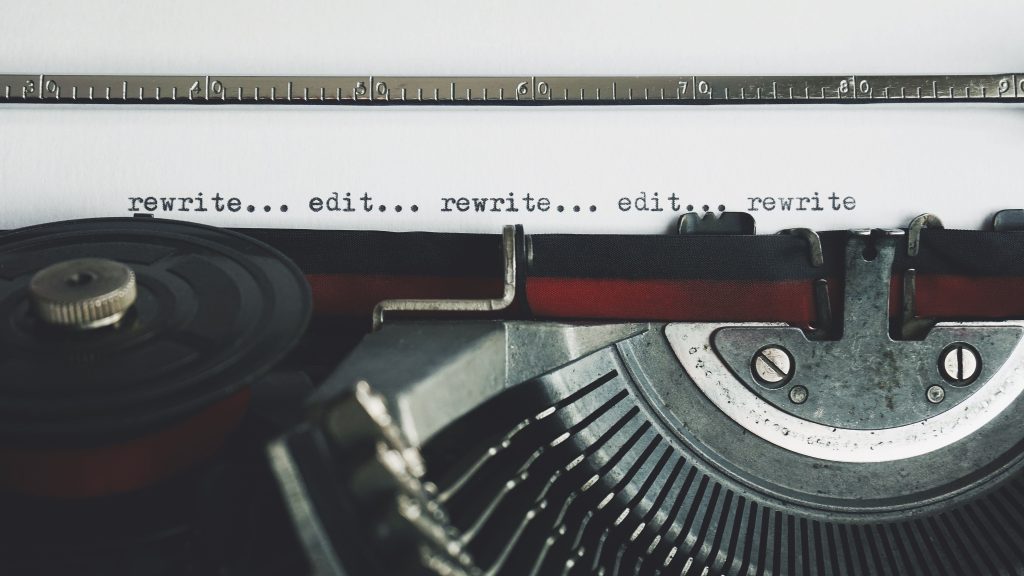
The initial excitement of generating content is brief; the real work begins afterward. Editing the machine’s output demands a different set of skills—an almost forensic attention to detail, pulling apart layers of text that seem effortless on the surface but fall short when scrutinized. Ironically, this invisible labor—often overlooked or underestimated—has effectively become the core of my current role.
In traditional writing, the act of creation is front and center. Now, the editing phase feels like an uncredited, behind-the-scenes process, vital yet often unrecognized. Clients and managers tend to see the AI as a quick solution or a finished product, without appreciating the nuanced craftsmanship required to make the content genuinely compelling.
Navigating the Emotional Terrain of Change
I’m not opposed to the use of AI tools; they’ve undoubtedly saved me from tackling drafts I wasn’t motivated to start. However, the transition from a creator to a quality controller on what feels like a factory assembly line is emotionally taxing. It raises questions about value and recognition—how to communicate the importance of this invisible work without sounding resistant to innovation.
Is this moment of discomfort just a natural part of embracing technological progress? Or is it a sign that we need to reevaluate how we assign value to the different stages of content creation?
Seeking Community and Clarity
If you’re experiencing a similar sense of loss or disorientation—mourning the skills you’ve honed or the craft you cherish—you’re not alone. Many professionals are navigating this new landscape, balancing admiration for the efficiency of AI with the reality of the more complex, often invisible editorial work that keeps quality intact.
Have you found ways to make this editing labor more visible or appreciated within your teams? How do you balance embracing new tools with honoring the craft behind the work?
Final Thoughts
The evolving role of content creators in the age of AI is complex and multifaceted. It challenges us to reconcile the value of our traditional skills with the new demands of post-generation editing. Recognizing and validating this invisible labor—not just as a necessary step but as a vital element of quality—might be a key to adjusting to these changes more gracefully.
As we continue to integrate AI into our workflows, perhaps the most important step is to acknowledge that behind every AI draft lies an intricate process of human refinement—a process deserving of recognition and respect.
If you’re experiencing similar feelings of transition or have insights into maintaining your craft in this new era, I’d love to hear your thoughts.